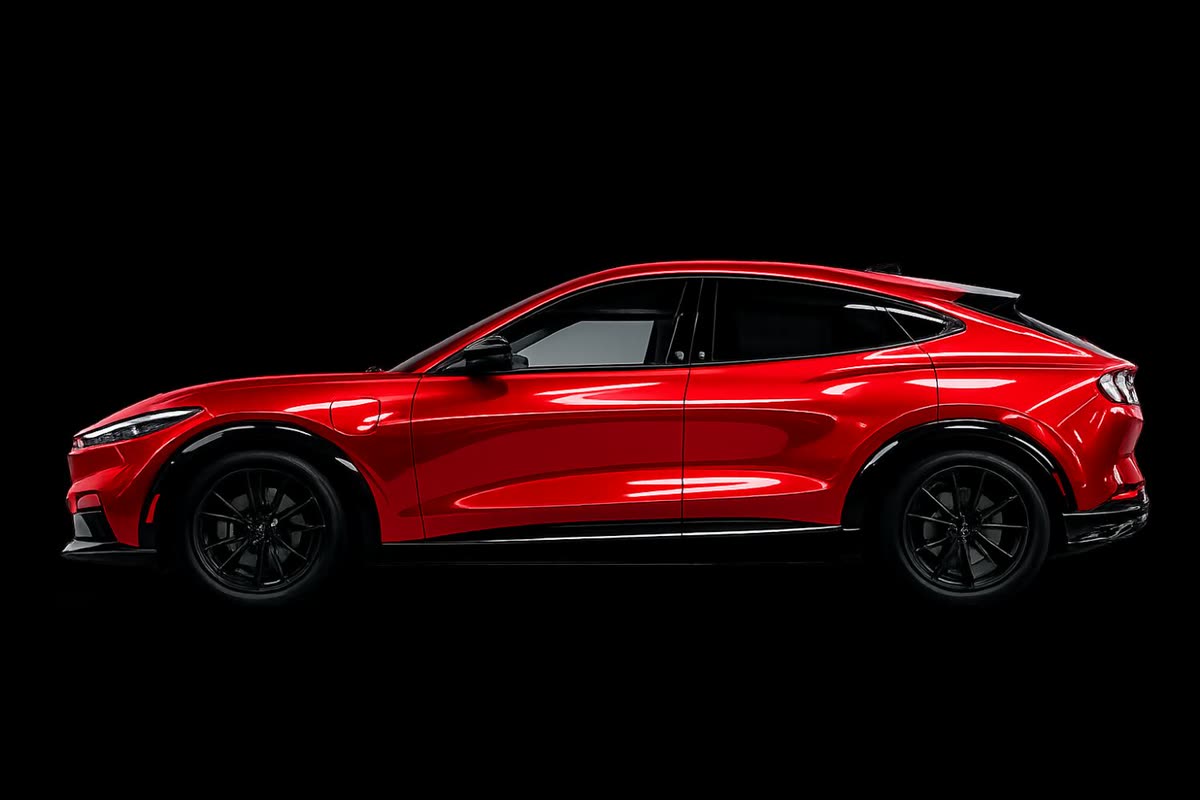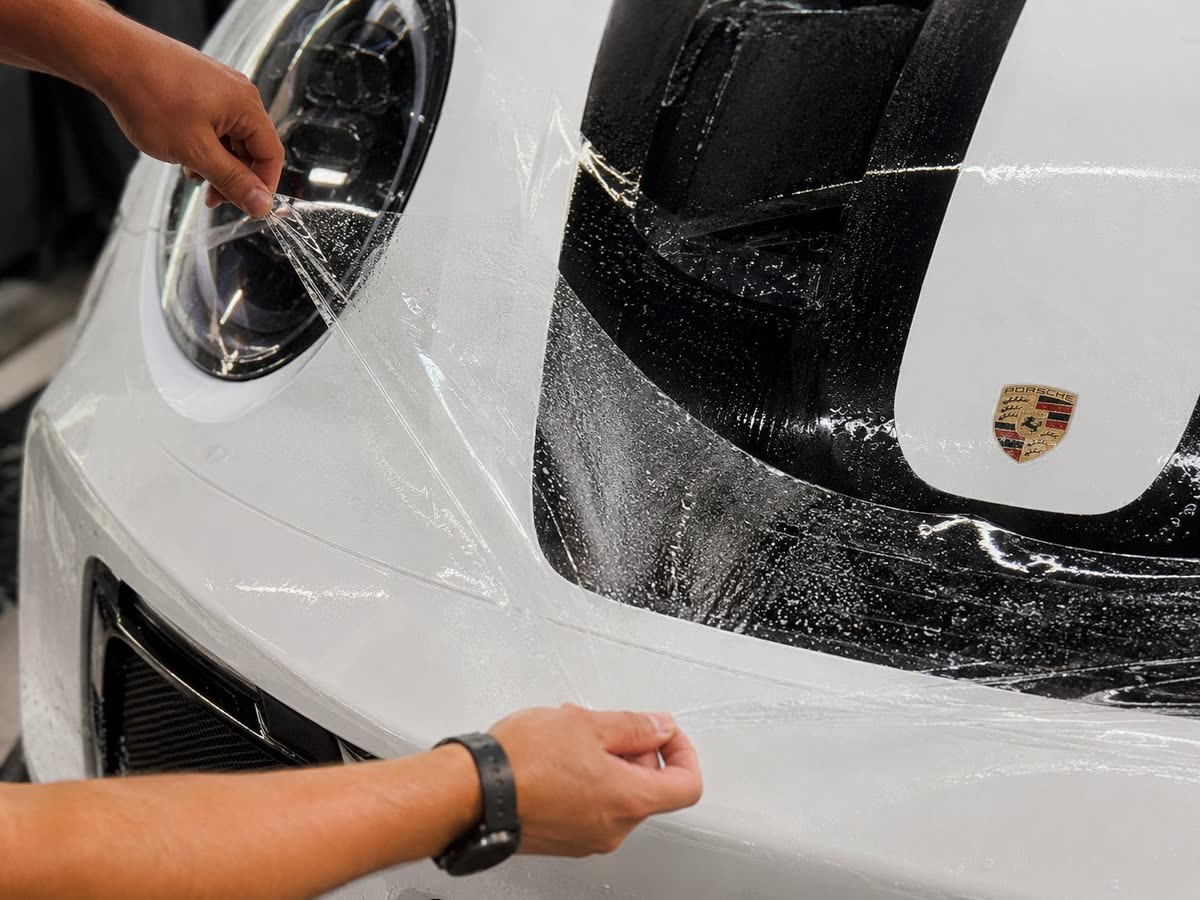
PPF is a physical film. Ceramic coating is a chemical bond. They defend against different threats, they cost different money, and they are not substitutes for each other. Here is the straight version, from a Hayward shop that installs both under one roof.

Paint protection film comes off a roll. It is urethane, cut to your panels and laid over the paint, and its whole purpose is to be the thing that gets hit instead of your clear coat. Ceramic coating arrives as a liquid. It cures into a hard bonded layer that changes how the surface behaves toward water, sunlight and everything the road throws at a parked car.
A rock does not care how hydrophobic your paint is. Brake dust does not care how thick your film is. That single sentence is the entire difference, and almost every argument we have with customers at the counter dissolves once it lands.
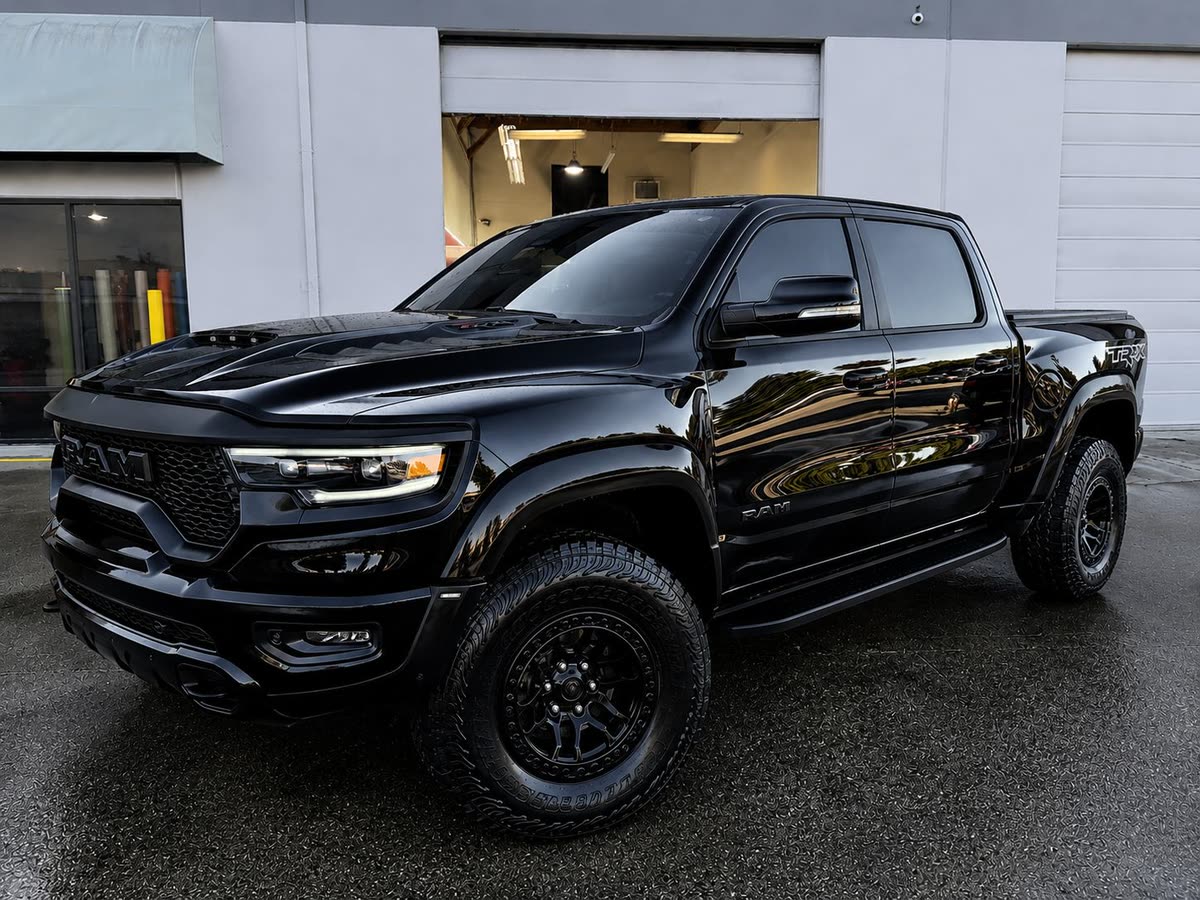
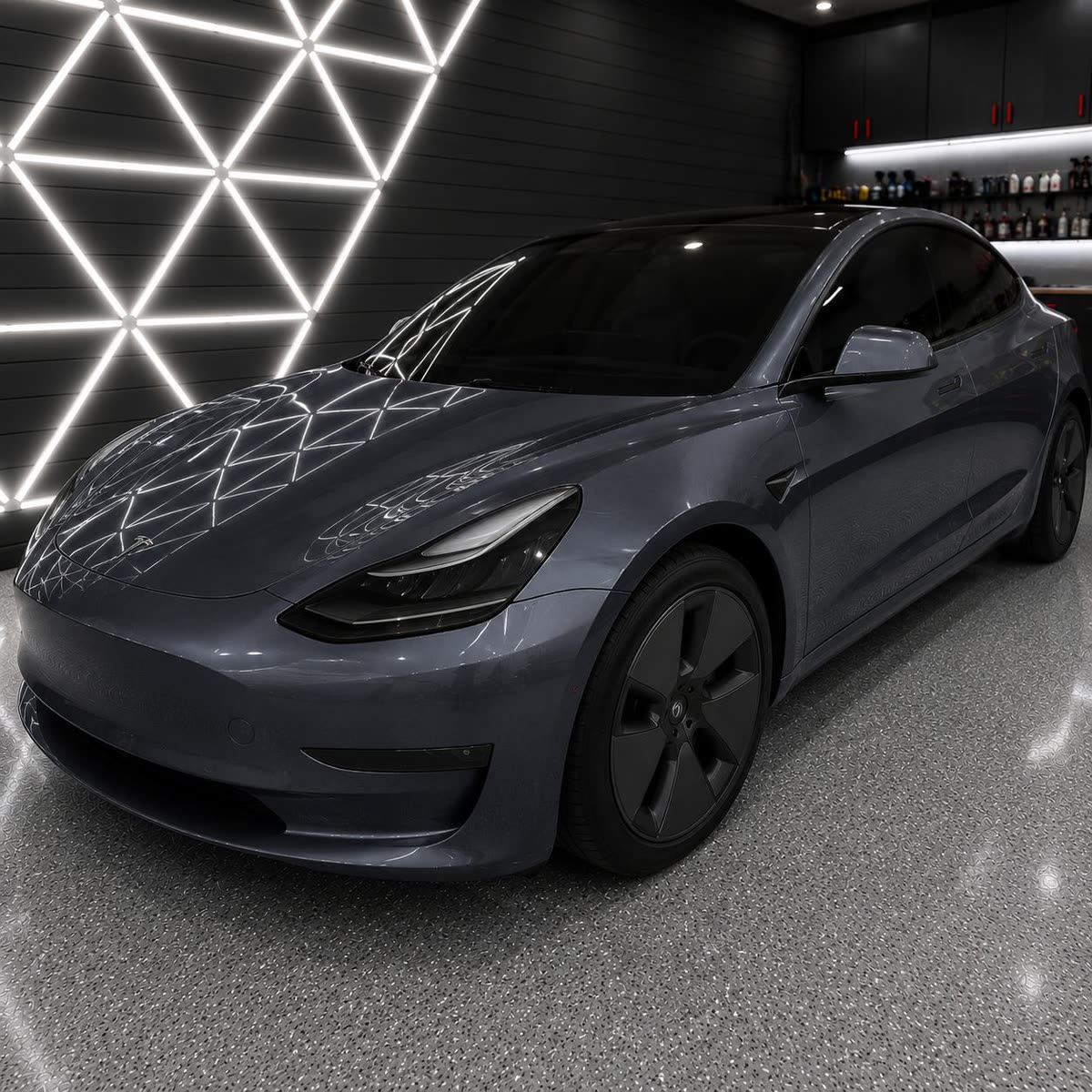
Film pricing is by coverage; coating pricing is by tier and paint condition, so we quote your exact car rather than guess from a photo. It costs nothing and we are not going to chase you. Get your number →
You run I-880 or the 92 approach every day, the car has a tall flat nose, and the damage keeping you up at night is the kind nobody can polish out. Cover the front end and stop there. A coating would be nice; the film is the one doing real work.
Low miles, garage-kept, mostly short trips — or a lease you hand back in three years. Your problem is not impact, it is sun, sap, sprinklers and the hour you lose every wash. A coating answers all four, and film would be money spent on a threat this car rarely meets.
If the clear coat is already peeling, neither product fixes it — both need a sound surface to bond to. And if a color change wrap is in the plan, the vinyl protects the paint underneath and the coating goes on the wrap afterward. Tell us the plan first.
There is a correct order and it only goes one way. Film is laid against clean, decontaminated paint, because adhesive needs something to grip. The coating goes on afterward and covers everything — the filmed panels and the bare ones — so the whole car beads, rinses and dries as one surface instead of two.
That last part is the argument for stacking. Film on its own is superb at taking hits and mediocre at shedding dirt, and film edges are exactly where grime likes to collect. Coating over the top gives the urethane the slick surface it does not have on its own, and gives you one wash routine for the whole vehicle.
Four questions, asked in this order. They settle it faster than any spec sheet, and they are the same four whether you walk in with a leased sedan or something with a build sheet.
Freeway commuter or weekend car? Highway miles are what put chips in a bumper, and they push the answer toward film.
We inspect the panels in the light. Existing chips, swirls or thin clear coat change what is worth protecting and what needs correcting first.
Keeping the car ten years or handing back a lease? That decides whether a multi-year coating earns its cost or a standard tier is plenty.
We tell you what the money buys at each level, including the option where you film the front now and coat the car later.

A shop that only sells film will tell you the answer is film. A detailer who only coats will tell you it is coating. We install both in the same bay in Hayward, so the recommendation follows your car instead of our inventory.
Ask what you are actually afraid of. If it is damage you cannot polish out — chips, road rash, a scraped bumper — put the money into film on the front end. If it is fading, water spots and losing an hour every wash, put it into a coating. We will look at your car and tell you which one your miles justify.
No. A coating is a bonded chemical layer, not a cushion — it is far too thin to absorb an impact. Anything sold on the promise that a coating replaces film is overselling it. Rock chips are a film problem.
Yes, and it is the combination most of our customers end up choosing. The film handles impact, the coating goes over the film and the surrounding paint so the whole car beads water and washes the same way.
Not the way a coating does. Film is built to take punishment, not to shed water — that is exactly why the two get stacked. If easy cleaning is the goal on its own, a coating is the cheaper route to it.
It can, but the coating has to come off the panels that are getting film first — adhesive does not bond well to a surface engineered to repel everything. We polish those panels back, lay the film, then re-coat over the top.
Both, in the same bay in Hayward, on the same car. Nothing gets subcontracted out and nobody has to hand your keys to a second shop halfway through.
Ten minutes in our Hayward bay with the panels in good light beats an hour of forum reading. Tell us the vehicle and how you drive it — we will come back fast with a number for each option.
★★★★★ STEK Certified · 500+ Vehicles · Free & No-Obligation